

Alliance App
A Single Designer, a Company’s Blueprint
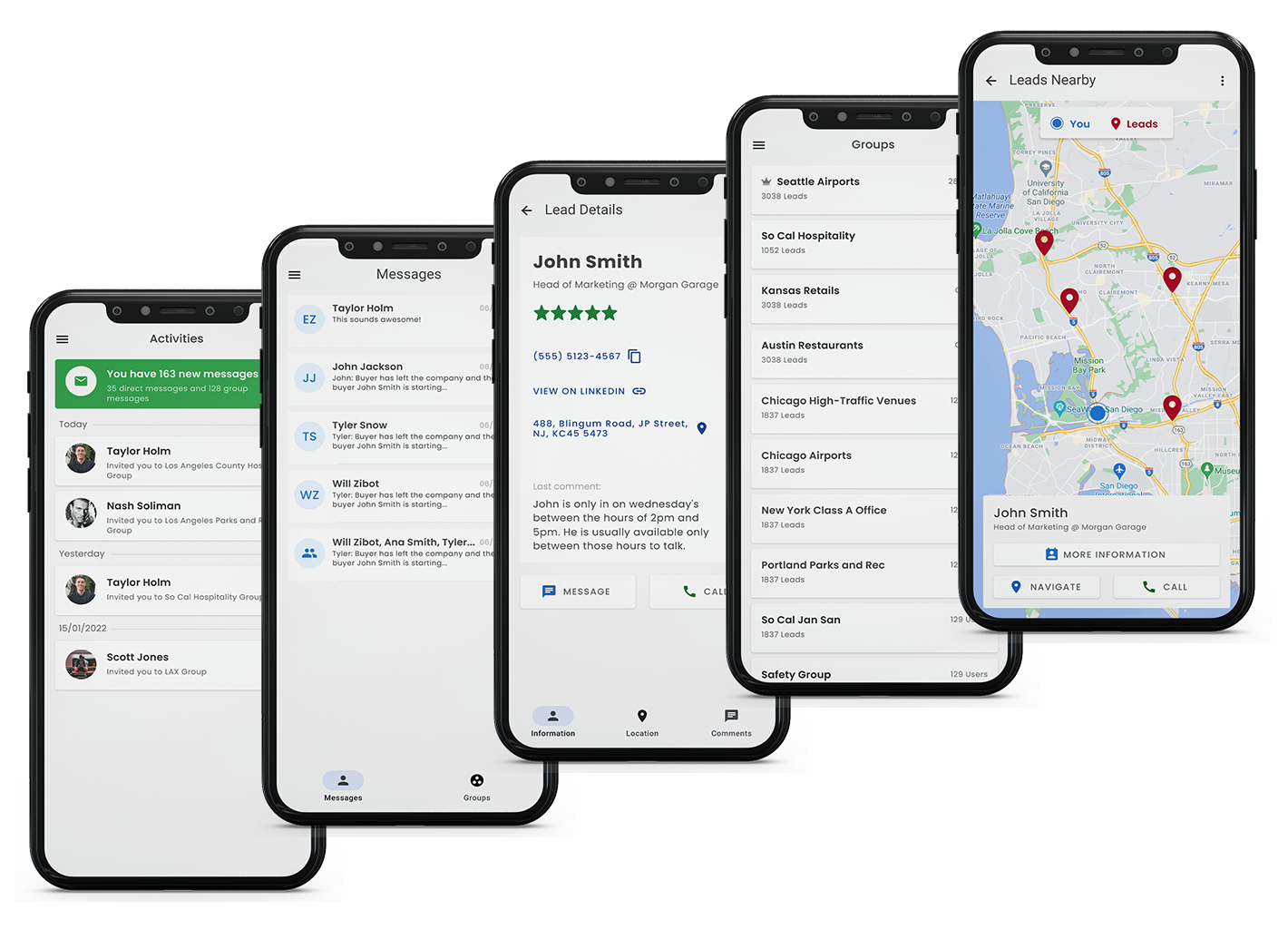
briefing
When I joined the company, an AI sales-driven startup, the vision was clear but the path was not. The leadership team wanted to empower sellers with a streamlined experience, but the requirements were constantly shifting, and there was no established design function to guide product development. I stepped in as the sole designer, tasked not only with creating the designs but also with building the processes, strategies, and structures that would allow design to thrive alongside product, development, and sales.
The company was looking to create a streamlined experience that would enable sellers to interact more effectively across its platform. As the only designer in the company, I was responsible for defining how design would contribute to the organization’s strategy while also delivering concrete outputs that supported product development, sales, and marketing. The challenge involved balancing high-level strategic vision with hands-on execution, all while navigating fluid requirements and significant ambiguity.
Solution
To tackle this challenge, I developed a design strategy that defined how design would operate within the organization, including deliverables, workflows, and modes of collaboration with other teams. I led discovery sessions with C-level executives and stakeholders, turning business needs into tangible design outputs. I also built a proprietary design system from the ground up to support both iOS and Android platforms, ensuring consistency as the product matured. At the same time, I partnered with marketing and sales to design visual assets that strengthened digital campaigns. By consistently communicating and adapting, I created clarity in a highly ambiguous environment and delivered a unified seller experience.
I designed a comprehensive strategy that defined how the design function would integrate with developers, product managers, sales, and stakeholders. This included defining design deliverables, including assets, diagrams, wireframes, and high-fidelity prototypes. Through discovery sessions with C-level executives and stakeholders, I translated business needs into actionable design outputs. I also built and maintained a proprietary design system for iOS and Android, ensuring consistency and scalability throughout the app development process. In addition, I collaborated with marketing and sales teams to create visual assets that reinforced digital campaigns, ensuring a unified brand presence.
the
approach
The first challenge was to bring order to uncertainty. We began by leading discovery sessions with executives, during which we uncovered the business's core pain points and product goals. These conversations laid the groundwork for alignment, but they also revealed how fluid the requirements would be. Instead of seeing this as an obstacle, we treated it as a design opportunity: We introduced collaborative workshops, continuous documentation, and iterative prototypes that kept everyone aligned even as priorities shifted. At this phase, we delivered the Design Strategy and User Requirements that premeated the entire project. We also delivered the general Testing Strategy to be used to test the solution's UX/UI.
Once the foundations were in place, we turned to execution. We mapped out user flows, wireframes, and prototypes, documenting every step so developers and stakeholders could move forward with clarity. Knowing the product needed to scale, we built a proprietary Design System for iOS and Android, enabling faster, more consistent development of new features. My role was not just to design the interface but also to serve as a bridge between disciplines. I partnered closely with developers to resolve technical constraints, collaborated with product managers to prioritize user needs, and worked with sales and marketing to craft visual assets that reinforced the company’s campaigns.
In this whole process, the company shifted its branding from OSR Referrals to OSR and then to Alliance App (you can see the details about the branding project here). What made this approach successful was not just the artifacts we created, but the rhythm of communication I established. We turned ambiguity into momentum by ensuring that every stakeholder had a voice in the process, and every team had the tools they needed to move forward.
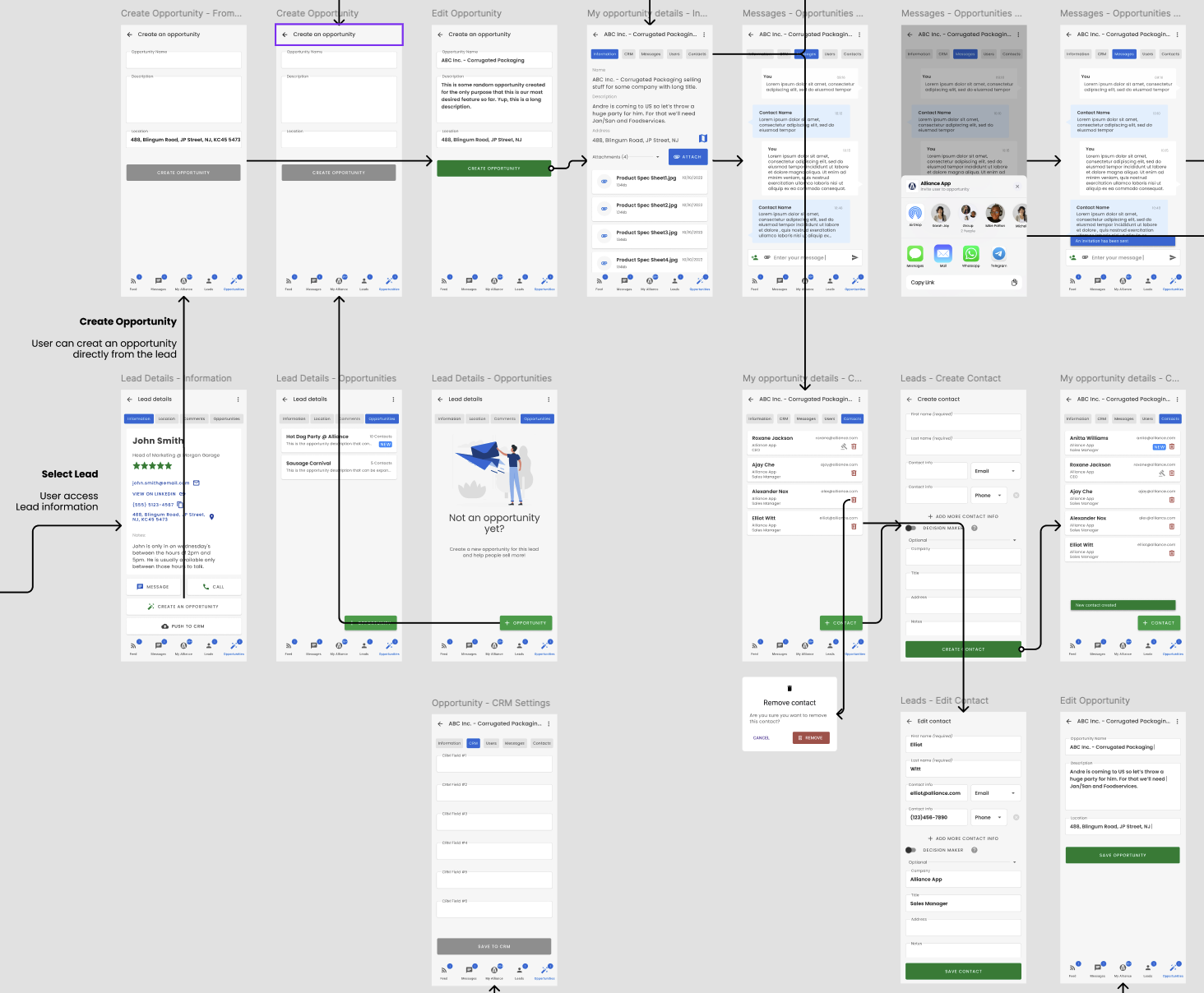
Part of the workfow fr creating an opportunity
The
Outcome
The project delivered more than just a functional product. It created a consistent, cohesive seller experience rooted in business goals and user needs. The design system became a backbone for development, reducing inconsistencies and accelerating feature delivery. Stakeholders gained confidence through the clarity of prototypes and documentation, while marketing and sales leveraged design assets that elevated the company’s external presence.
It delivered a cohesive experience for sellers that aligned with both business goals and user needs. The design system we created streamlined development and ensured consistency across mobile platforms, reducing friction in design and implementation. Stakeholders benefited from clear documentation and prototypes that guided decision-making and allowed the development team to progress with confidence. The marketing and sales teams were equipped with strong visual assets that strengthened the company’s external presence (you can check some supporting material here). Most importantly, the collaborative processes we put in place enabled the company to move efficiently despite uncertainty, creating a framework for future growth and design maturity.
Perhaps most importantly, the project left behind a culture of collaboration and structure. What began as a chaotic, uncertain initiative evolved into a model for how design could shape both strategy and execution within the organization.
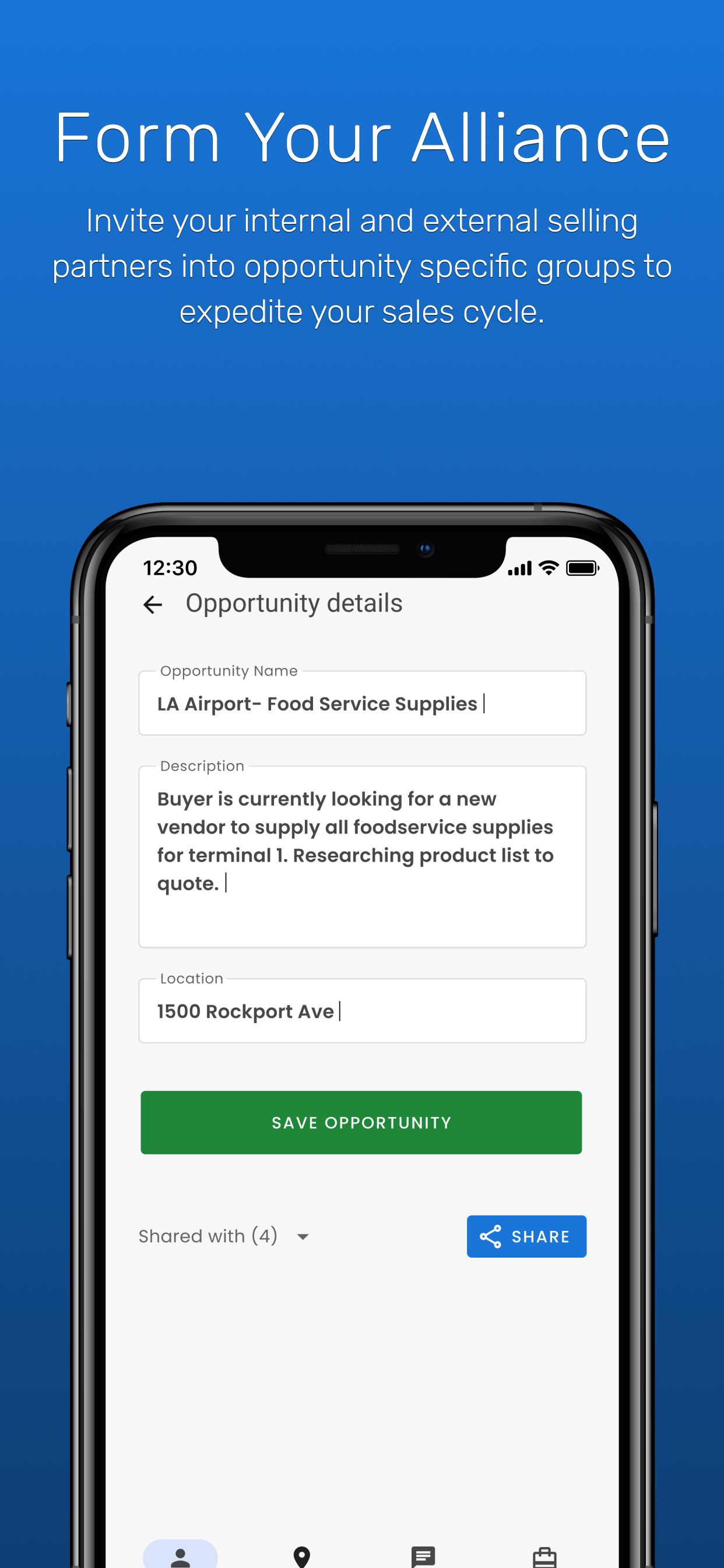
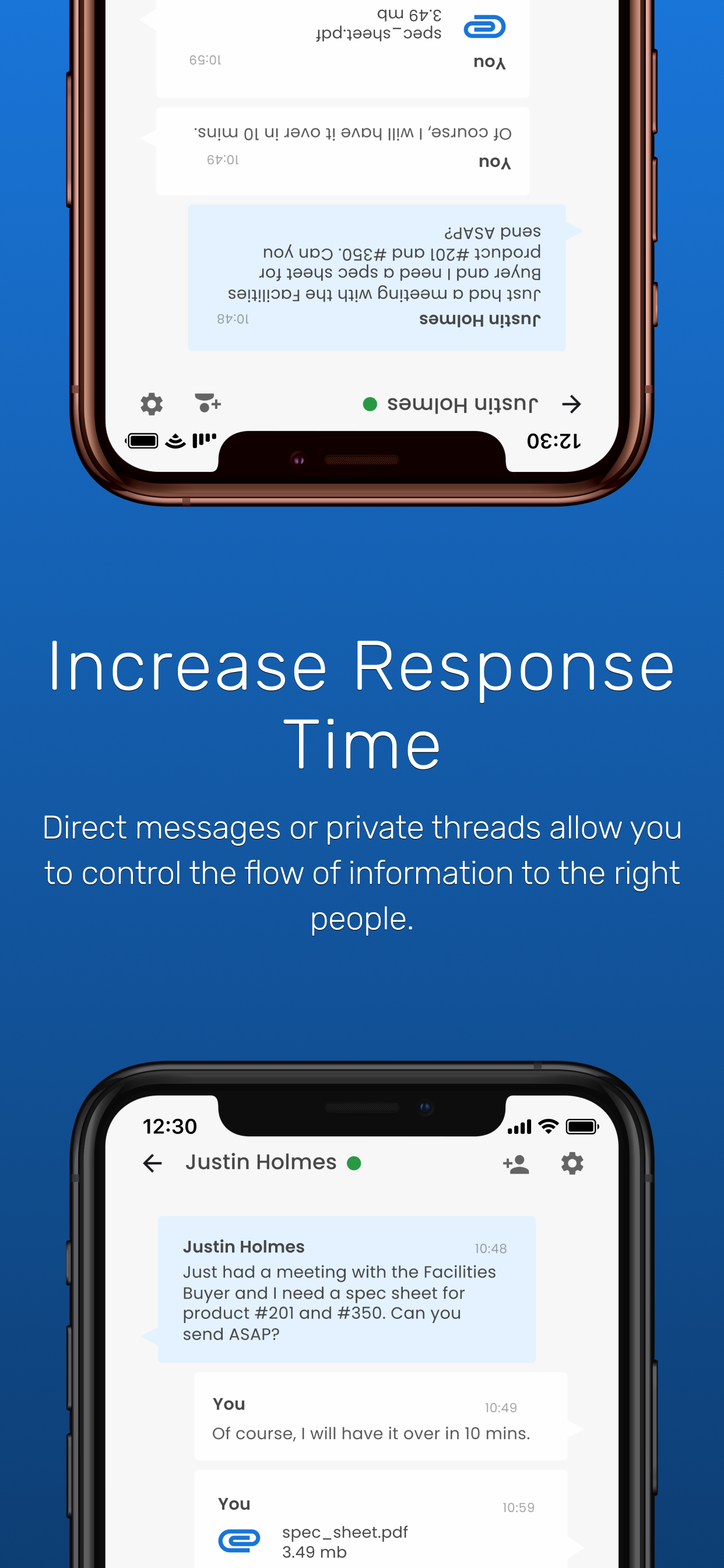
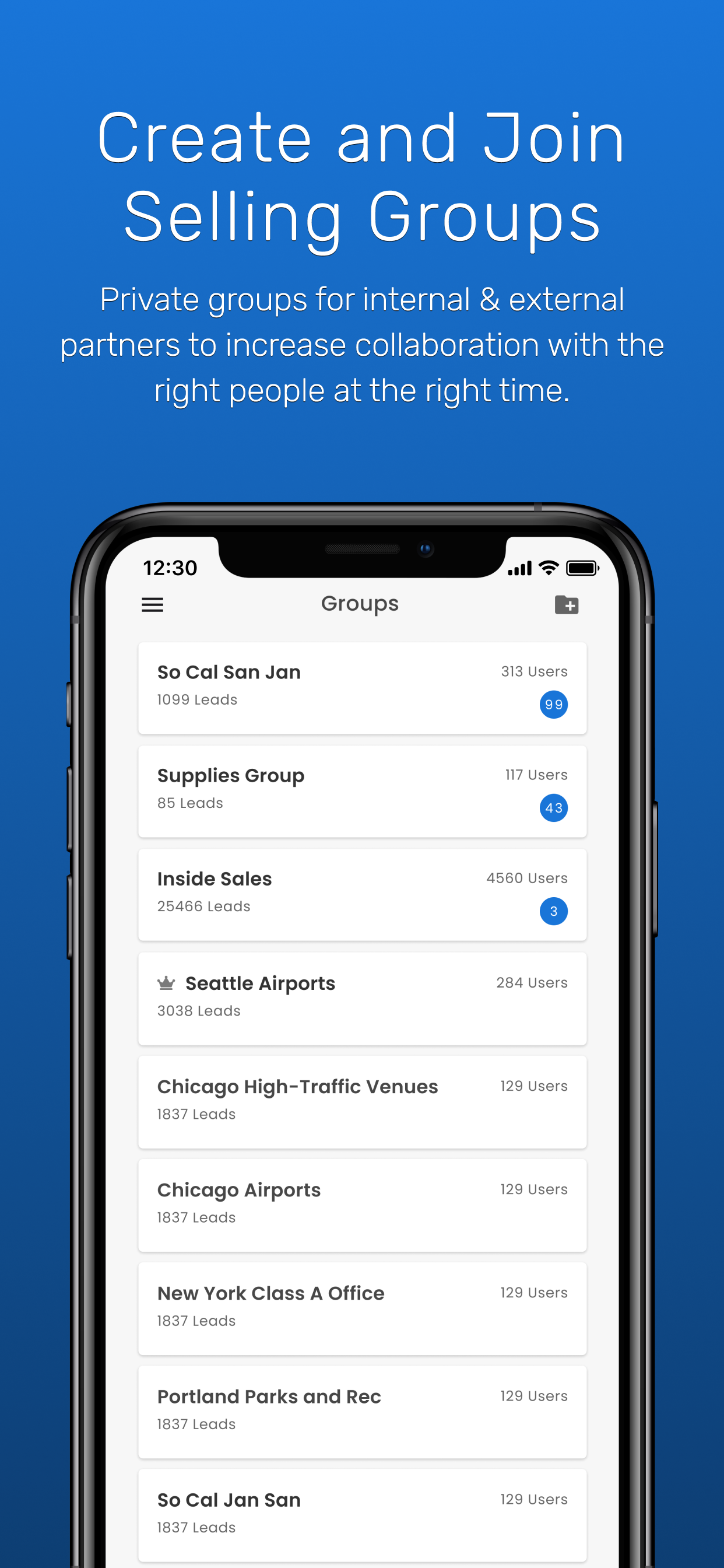
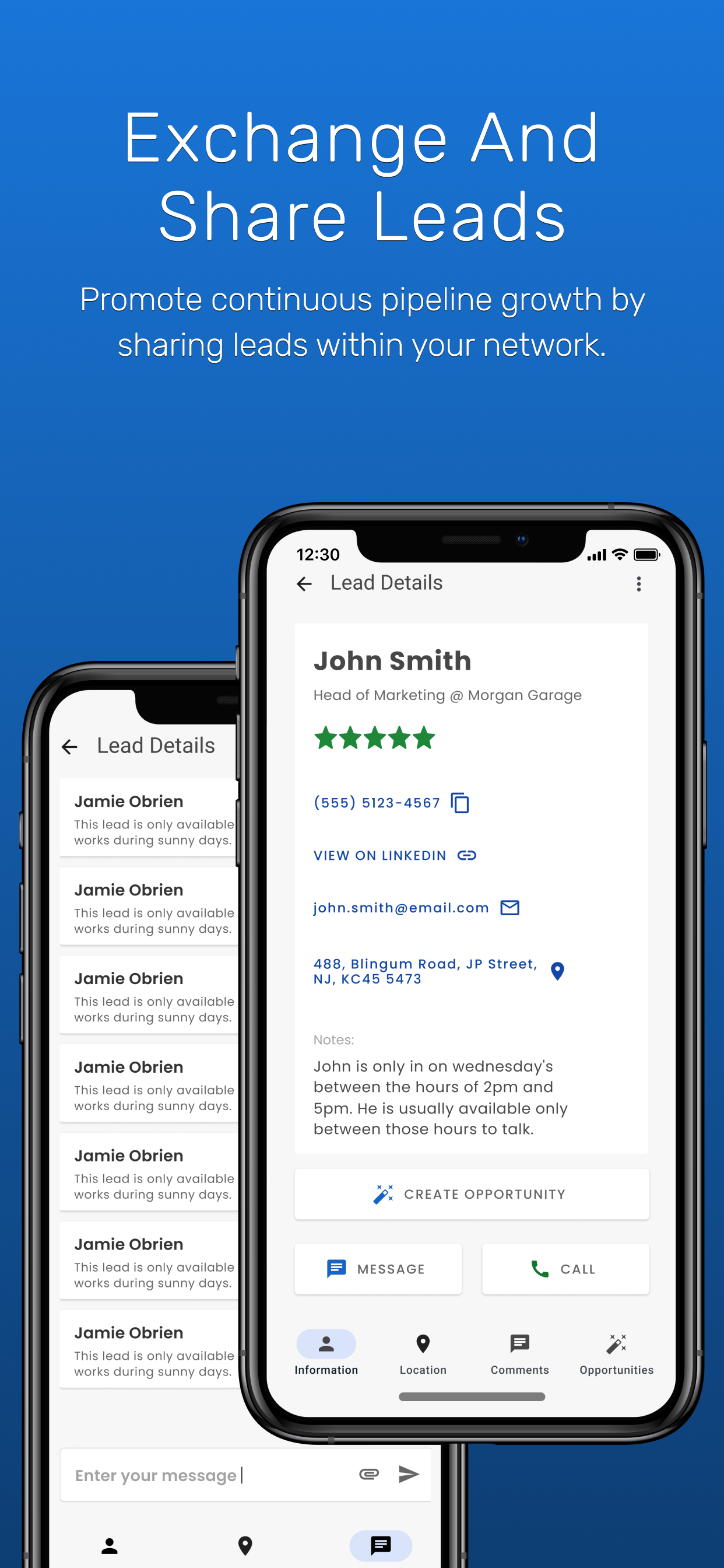
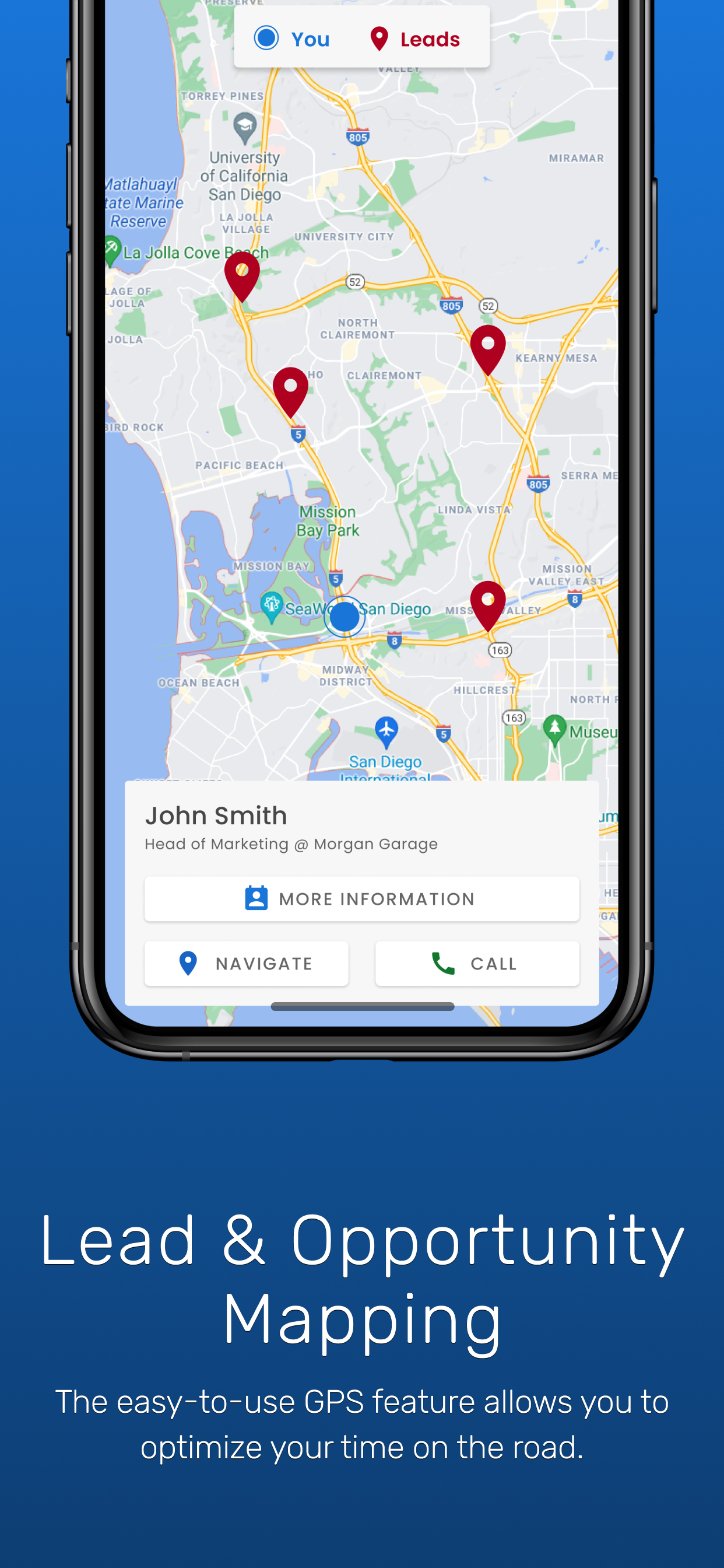
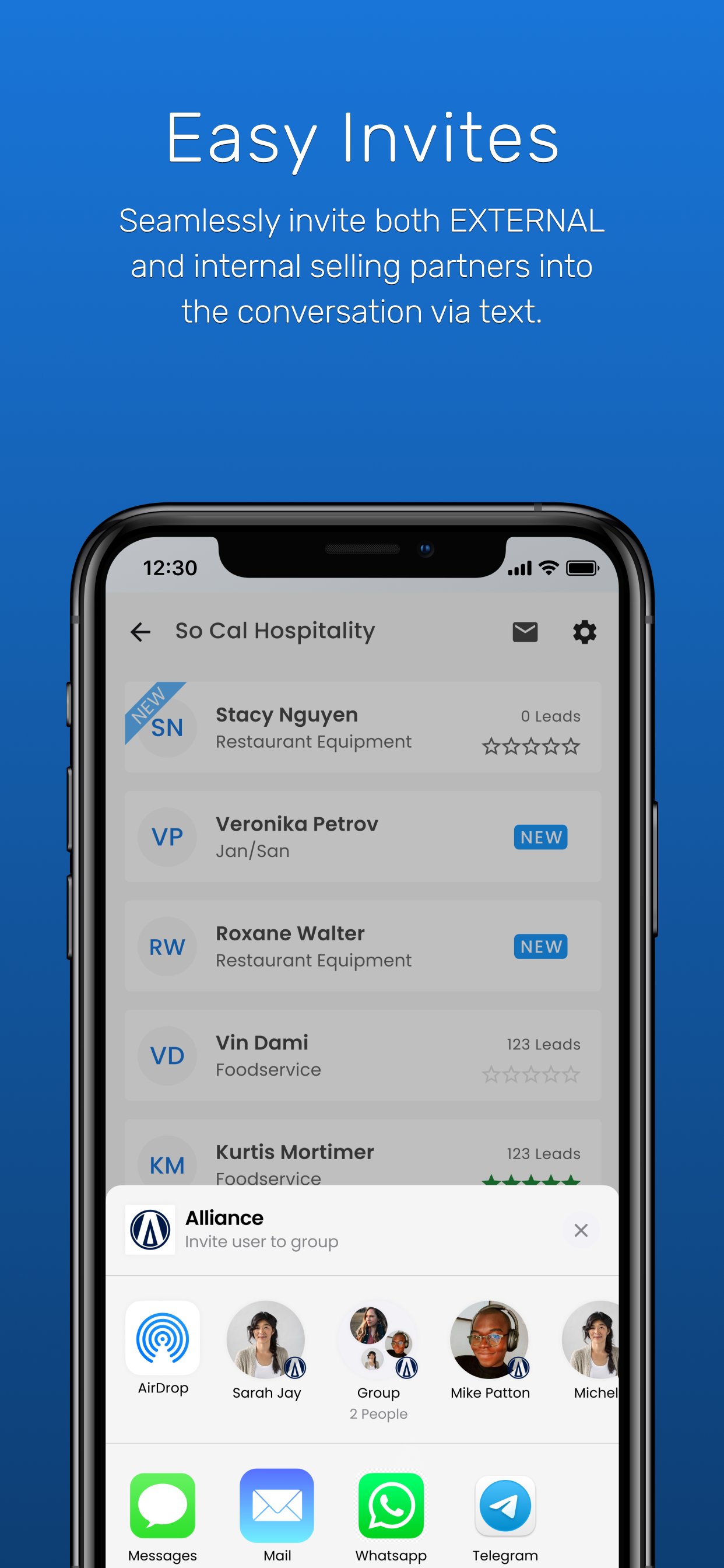
Screens for the app store
Lessons Learned
This project taught me that design leadership is not only about the interfaces we create but also about the processes and relationships that sustain them. By stepping into a space of uncertainty, I learned how to translate ambiguity into action and how to balance strategic vision with hands-on delivery. Building a design system from scratch showed me the power of scalability, while constant stakeholder alignment reminded me that communication is as vital as craft. In the end, I saw how a single designer, with the right strategy and approach, can become a force for clarity and impact in even the most complex environments.
It also reinforced the importance of establishing strong communication and collaboration structures early in the process, especially in environments with evolving requirements. I learned the value of balancing strategy with execution, where defining processes and deliverables was as crucial as producing tangible outputs. Building a design system from the ground up was not only an exercise in scalability but also a lesson in creating alignment across multiple stakeholders. Above all, the experience highlighted how a single designer can have an outsized impact when design is positioned as both a strategic and operational driver within a company.